

Spot reduction is a myth; you can't target belly fat through exercise alone. While crunches may strengthen your core, they won't eliminate fat in that area. Fat loss happens throughout your body, influenced by genetics and overall calorie deficit. To effectively shed pounds, focus on a balanced diet and a mix of cardiovascular and strength training. By combining these approaches, you can create a healthier you. Discover effective strategies to enhance your fat loss journey.
Nomad Highlights
- Spot reduction is a myth; fat loss occurs throughout the body, not in targeted areas like the belly.
- Genetics and body composition influence where fat is lost, making spot-targeted exercises ineffective.
- Creating a calorie deficit through diet and overall exercise is essential for fat loss, including belly fat.
- Combining cardiovascular workouts and strength training maximizes fat loss efforts and enhances metabolism.
- Sustainable weight loss requires time, consistency, and a balanced approach to diet and exercise, rather than relying on targeted exercises.
Understanding Spot Reduction: Myth or Reality?

While many people wish they could target fat loss in specific areas, understanding spot reduction reveals that it's largely a myth. You might think performing endless crunches will eliminate belly fat, but unfortunately, that's not how your body works.
When you lose weight, it happens throughout your entire body, not just in one specific spot. Genetics, body composition, and overall lifestyle play significant roles in where you shed fat. Additionally, utilizing continuous health monitoring can provide insights into your overall fitness and help you stay accountable. Incorporating resistance bands into your routine can enhance strength training, which supports overall fat loss. Furthermore, using resistance bands allows you to engage in versatile training that targets multiple muscle groups effectively. Moreover, engaging in ergonomic practices during workouts can improve your overall comfort and effectiveness.
Rather than focusing solely on spot reduction, you should adopt a thorough fitness routine that includes both cardio and strength training. This approach helps improve your overall body composition and can lead to a healthier lifestyle. Additionally, incorporating tools like fitness trackers can help you monitor your progress and stay motivated.
Embrace the journey, and remember that sustainable weight loss takes time and consistency.
How Fat Loss Works: The Science Behind Body Composition

Understanding how fat loss works is essential for anyone looking to improve their body composition.
Fat loss occurs when you burn more calories than you consume, creating a calorie deficit. Your body uses stored fat as energy, breaking it down through a process called lipolysis. This involves hormones and enzymes that release fatty acids into the bloodstream, where they're utilized for energy. Regularly using wearable activity trackers can enhance your ability to monitor calorie burn and activity levels effectively. Including adjustable dumbbells in your workout routine can also help increase muscle engagement, which may further enhance fat loss. Moreover, incorporating strength training exercises into your regimen is crucial for building muscle mass, which can boost your metabolism. Additionally, utilizing AI personal assistant tools can help streamline your fitness planning and track your progress effectively.
Weight loss isn't just about reducing body fat; it also involves maintaining or increasing lean muscle mass. Engaging in a combination of cardiovascular exercise and strength training can enhance fat loss and support muscle retention. Additionally, incorporating tools like fitness trackers with health monitoring features can help you stay on top of your calorie burn and activity levels.
The Role of Genetics in Fat Distribution

Genetics plays a significant role in how and where your body stores fat. Some people naturally accumulate fat around their midsection, while others may store it in their hips or thighs. Your genetic makeup influences factors like metabolism, hormone levels, and fat cell distribution. This means that even if you follow a strict diet and exercise regimen, your body might still prefer to hold onto fat in certain areas due to these inherited traits. Engaging in regular physical activity, such as using a balance board, can help enhance your overall fitness and aid in promoting fat loss. Additionally, incorporating practices like using an acupressure mat may further support relaxation and overall wellness, which can indirectly aid in fat loss. Moreover, understanding your body's unique metabolic response to different foods and workouts can provide valuable insights into your weight loss journey. Studies have shown that certain exercises, including strength training with adjustable dumbbells, can effectively promote overall fat loss. Understanding your genetic predisposition can help you set realistic goals for fat loss and body composition. While you can't change your genetics, you can adopt healthy habits that promote overall fat loss, leading to a healthier body, even if spot reduction isn't possible. Additionally, different individuals may experience varying degrees of weight loss resistance based on their genetic factors.
Common Misconceptions About Targeted Exercises

You might believe that doing hundreds of crunches will melt away belly fat, but that's a common myth. Targeted exercises don't lead to spot reduction; instead, they primarily strengthen muscles. To truly lose fat, you need a combination of overall exercise and a healthy diet. Incorporating practices like acupressure mats can enhance relaxation and support your overall wellness journey. Additionally, using resistance bands can provide versatile resistance for full-body workouts that effectively burn calories and strengthen muscle groups. Moreover, incorporating resistance training can boost your metabolism by up to 15%, further aiding in fat loss. Furthermore, using ankle resistance bands can specifically target lower body strength while promoting overall muscle development. Engaging in full-body workouts not only helps in fat loss but also improves cardiovascular health.
Spot Reduction Myth
While many believe that targeting specific areas with exercises will lead to fat loss in those spots, this notion is largely a myth. You might think that doing endless crunches will melt away belly fat, but it doesn't work that way.
Your body loses fat in a more generalized manner, and where you lose it first is largely determined by genetics, not exercise choice. When you engage in targeted exercises, you're strengthening those muscles, but fat loss happens overall. Engaging in activities like stress-relief coloring books can also contribute to overall well-being and help reduce stress, which may indirectly support weight management. Additionally, incorporating mindfulness techniques into your routine can enhance your focus and relaxation, further aiding in stress reduction. Consistent practice of guided imagery audio tracks can also promote deeper relaxation and mental clarity, supporting your overall fitness journey. Consuming herbal teas with calming ingredients like chamomile and lavender may also aid in relaxation and improve sleep quality. Moreover, maintaining a balanced approach to health, including using calorie counting apps, can provide insights into your overall dietary habits and support your weight management goals.
Exercise vs. Fat Loss
Many people mistakenly believe that performing targeted exercises will lead directly to fat loss in those specific areas. You might think that crunches will melt away belly fat, but that's not how it works. Fat loss occurs throughout your body, not just where you're exercising. In fact, achieving a balanced ratio of carbohydrates, fats, and proteins is crucial for sustained energy during physical exertion. Incorporating adjustable dumbbells into your routine can enhance strength training and assist in various workouts, further supporting your overall fat loss goals. Additionally, maintaining ideal indoor humidity levels can improve overall comfort and performance during workouts. Unique fitness products can also provide motivation and variety to your exercise routine.
While targeted exercises can strengthen and tone muscles, they won't greatly affect fat levels in those areas. Instead, focus on a balanced approach that combines cardiovascular workouts, strength training, and a healthy diet. Incorporating resistance bands into your routine can enhance strength training and assist in various workouts, further supporting your overall fat loss goals. This holistic strategy helps create a calorie deficit, promoting overall fat loss. Remember, while you can build muscle in specific areas, reducing fat requires a broader approach.
Effective Strategies for Overall Fat Loss

Achieving overall fat loss requires a multifaceted approach that combines healthy eating, regular physical activity, and lifestyle changes.
Start by incorporating a balanced diet filled with whole foods like fruits, vegetables, lean proteins, and whole grains. Aim for at least 150 minutes of moderate aerobic exercise each week, along with strength training twice a week to build muscle and boost metabolism.
Pay attention to portion sizes, and try to limit processed foods and added sugars. Additionally, focus on getting enough sleep and managing stress, as both can impact your weight loss efforts.
Remember to stay consistent and patient; lasting changes take time, but by sticking to these strategies, you'll pave the way for effective fat loss.
The Importance of Nutrition in Weight Management

When it comes to managing your weight, nutrition plays a vital role. A balanced diet not only fuels your body but also helps regulate your caloric intake, making it easier to achieve your goals. Incorporating healthy snack bars into your diet can provide convenient energy boosts while keeping you satisfied throughout the day. Additionally, many protein bars offer high fiber content, which can promote digestive health and satiety. Understanding these essentials can set you on the right path to effective weight management. Additionally, choosing low glycemic index options can help manage blood sugar levels and support sustained energy release throughout the day. Opting for portable protein powder can also enhance your nutrition regimen, making it easier to maintain your protein intake while on the go. Furthermore, selecting products with skin-friendly formulations can help ensure that your dietary choices support overall health and well-being.
Balanced Diet Essentials
While exercise plays an essential role in weight management, nutrition is the foundation that supports your efforts. To effectively manage your weight, you need a balanced diet that includes a variety of nutrients.
Focus on whole foods like fruits, vegetables, lean proteins, and whole grains. These foods not only provide essential vitamins and minerals but also keep you satiated longer, reducing the temptation to snack on unhealthy options.
Don't forget about healthy fats, such as avocados and nuts, which are crucial for your overall health. Pay attention to portion sizes and aim for moderation.
Impact of Caloric Intake
Understanding the impact of caloric intake is essential for effective weight management, as it directly influences how your body uses energy. Managing your calorie consumption helps you maintain a healthy weight and reduces body fat, including stubborn belly fat. It's important to balance your caloric intake with your energy expenditure through physical activity.
Here's a quick overview of caloric intake:
| Food Type | Calories per Serving | Nutritional Value |
|---|---|---|
| Fruits | 50-100 | High in vitamins |
| Lean Proteins | 150-200 | Supports muscle |
| Processed Foods | 200-400 | Often low in nutrients |
Cardiovascular Exercise: A Key Component for Fat Loss

Cardiovascular exercise is essential for effective fat loss, especially when targeting stubborn areas like the belly. Engaging in activities like running, cycling, or swimming raises your heart rate, helping you burn calories and fat.
Aim for at least 150 minutes of moderate-intensity cardio each week, or 75 minutes of vigorous-intensity workouts. This not only supports overall fat loss but also improves your cardiovascular health and boosts your energy levels.
Remember, consistency is key. Pair your cardio routine with a balanced diet to maximize results. While you can't spot-reduce fat, incorporating regular cardiovascular workouts will help you lose weight overall, making it easier to achieve a flatter stomach over time.
Strength Training and Its Impact on Metabolism

Strength training plays an important role in boosting your metabolism, especially when combined with cardiovascular exercise. By building muscle, you increase your resting metabolic rate, which means you burn more calories even when you're not working out.
Strength training significantly boosts metabolism, enhancing calorie burn even during rest.
Here are some key benefits of strength training for your metabolism:
- Increased Muscle Mass: More muscle leads to a higher calorie burn at rest.
- Afterburn Effect: Strength training elevates your metabolism for hours post-workout.
- Hormonal Balance: It improves insulin sensitivity and hormone levels that regulate metabolism.
- Enhanced Performance: You'll have better endurance and strength for other activities, maximizing calorie expenditure.
Incorporating strength training into your routine can greatly enhance your fat-loss efforts, making it a crucial component of your fitness journey.
Lifestyle Factors That Influence Fat Loss

Your diet and nutrition play an essential role in fat loss, often dictating how effectively your body sheds unwanted weight.
Additionally, the frequency and intensity of your exercise can greatly impact your results.
Diet and Nutrition
While exercise plays an essential role in fat loss, diet and nutrition are equally important factors that can greatly influence your results.
What you eat directly affects your body's ability to burn fat and maintain muscle. To maximize your fat loss, consider these key dietary components:
- Balanced Macronutrients: Confirm you're getting a healthy mix of proteins, fats, and carbohydrates to support energy levels and muscle repair.
- Portion Control: Pay attention to serving sizes to prevent overeating, even with healthy foods.
- Hydration: Drink plenty of water to help with digestion and keep your metabolism functioning efficiently.
- Whole Foods: Focus on whole, unprocessed foods, which are generally more nutrient-dense and lower in empty calories.
Exercise Frequency and Intensity
To achieve effective fat loss, it's important to combine a solid diet with the right exercise frequency and intensity.
You should aim for at least 150 minutes of moderate aerobic activity or 75 minutes of vigorous activity each week. This could include brisk walking, running, cycling, or swimming.
Incorporating strength training at least twice a week is also essential, as it helps build muscle and boosts your metabolism.
Pay attention to your intensity; higher intensity workouts can increase calorie burn and promote fat loss more effectively.
Remember, consistency is key. Find a routine that fits your lifestyle, and stick to it.
Setting Realistic Goals for a Healthier Body
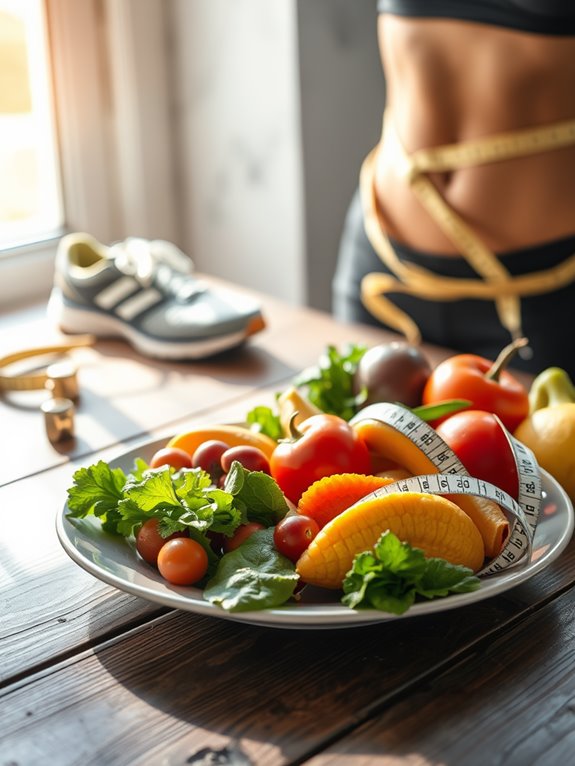
How can setting realistic goals transform your journey towards a healthier body? By creating achievable targets, you'll stay motivated and focused.
Here's how to set those goals effectively:
- Define Specific Objectives: Instead of saying, "I want to lose weight," aim for "I want to lose 1-2 pounds a week."
- Make Them Measurable: Use metrics like body measurements, fitness levels, or workout frequency to track your progress.
- Set Timeframes: Establish deadlines for your goals, such as "I'll complete a 5K in three months."
- Be Flexible: Life happens! Adjust your goals as needed while keeping the overall vision in mind.
Frequently Asked Questions
Can I Lose Belly Fat Without Exercising?
Yes, you can lose belly fat without exercising, but it's tougher. Focus on your diet—reduce processed foods, sugar, and carbs. Staying hydrated and getting enough sleep also plays an essential role in fat loss.
How Long Does It Take to See Fat Loss Results?
You'll typically see fat loss results within a few weeks of consistent healthy eating and exercise. Everyone's different, so it might take longer for some, but staying committed will definitely yield positive changes.
Are There Specific Foods That Reduce Belly Fat?
Certain foods can help reduce overall body fat, including belly fat. Focus on whole grains, lean proteins, fruits, and vegetables. Cutting processed sugars and unhealthy fats can also make a significant difference in your results.
Does Stress Affect Belly Fat Accumulation?
Imagine a balloon inflating under pressure. Stress can trigger hormonal changes that lead to increased belly fat. If you manage stress effectively, you might find it easier to maintain a healthier waistline. Prioritize relaxation techniques!
Can Hydration Influence Fat Loss Effectiveness?
Hydration plays an essential role in fat loss effectiveness. When you're well-hydrated, your metabolism functions better, energy levels rise, and cravings decrease, making it easier to stick to your weight loss goals. Stay hydrated!
Conclusion
To sum up, while you can't spot-reduce belly fat, you can embrace a holistic approach to fat loss. By combining cardiovascular exercise, strength training, and healthy lifestyle choices, you'll boost your metabolism, enhance your overall fitness, and achieve your goals. Remember, it's about consistency, patience, and celebrating small victories along the way. So, commit to the journey, trust the process, and watch as your body transforms into a healthier, happier version of yourself.