
Cultures worldwide harness fire, water, air, and earth to create balance in life. Fire ignites passion and creativity, while water symbolizes purification and emotional flow. Air fosters clear communication and expression, and earth provides stability and community. Through rituals and ceremonies, these elements connect individuals to nature and each other. Their interactions shape healing practices and environmental stewardship, highlighting their significance. By exploring further, you can uncover more about how these elements influence cultural beliefs.
Nomad Highlights
- Cultures incorporate fire in rituals for transformation, renewal, and inspiration, fostering community connections during significant life events.
- Water serves as a sacred medium for cleansing and emotional flow, celebrated through festivals that honor its life-giving essence.
- Air symbolizes freedom of expression, with breathwork enhancing clarity and communication, vital for effective interactions and creative endeavors.
- Earth represents stability and community, with rituals emphasizing gratitude for land and promoting sustainable practices for future generations.
- Balancing the elements through mindful practices fosters harmony in daily life, reinforcing cultural values and environmental stewardship.
The Symbolism of Fire in Cultural Practices
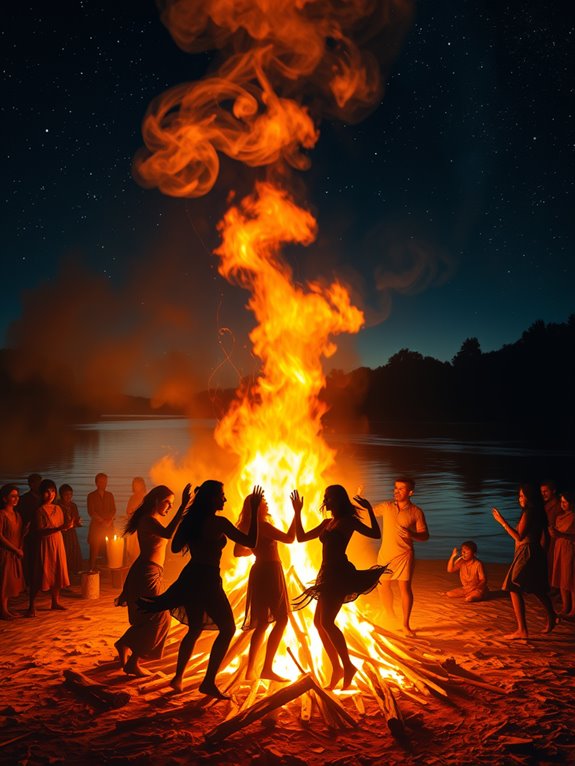
Fire, as you may know, holds profound symbolism in various cultural practices around the world. In many traditions, it represents transformation and renewal. When you light a fire, you're not just creating warmth; you're igniting change and purification.
Various rituals incorporate fire to ward off evil spirits or to celebrate significant life events. Think of the bonfires during festivals or the candles you light for remembrance—each flickering flame signifies hope and connection.
Furthermore, fire often embodies passion and creativity, inspiring art and storytelling. In certain cultures, it's a sacred element, representing the divine presence.
Water as a Source of Life and Spirituality
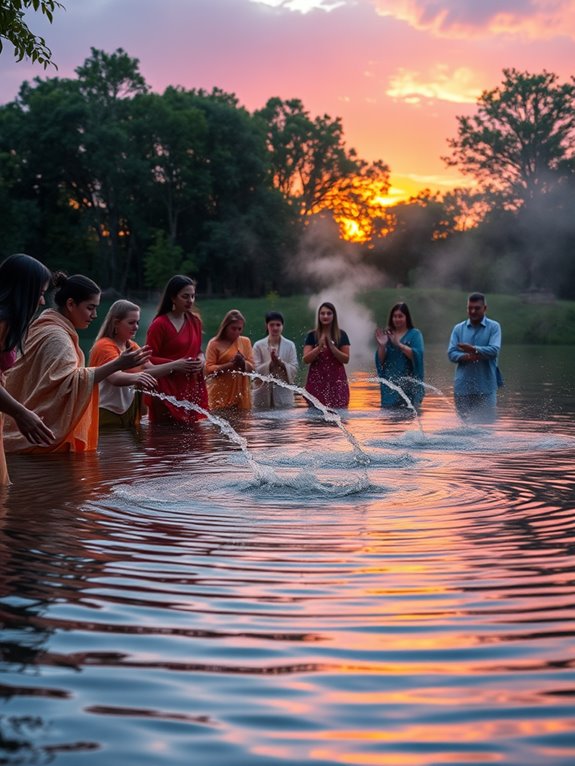
Water, often regarded as the essence of life, plays a crucial role in countless cultures around the world. You'll find that many traditions view water as sacred, symbolizing purity and renewal.
In rituals, it often serves as a medium for cleansing, whether in the form of baptism or purification rites. Think of how different cultures celebrate water's life-giving force through festivals and prayers, honoring rivers and lakes as spiritual entities. Interestingly, many cultures also utilize UV-C light to maintain cleanliness in water sources, highlighting the intersection of nature and technology in promoting health. Additionally, many cultures employ portable essential oil diffusers to enhance their spiritual experiences, integrating soothing aromas with water for a more profound effect. Water is also often infused with calming essential oils to create a serene atmosphere during meditation or rituals. Herbal teas, such as chamomile and peppermint, can further enhance relaxation and support emotional well-being during these spiritual practices.
For you, water can represent emotional depth and healing, connecting you to the natural world. By incorporating water into your daily life, whether through meditation or simply appreciating a nearby stream, you can enhance your sense of balance and spirituality, reminding you of your interconnectedness with all living beings. Additionally, just as calming essential oil blends can promote relaxation, the sound of flowing water can enhance your tranquil environment and aid in stress relief.
The Role of Air in Communication and Thought
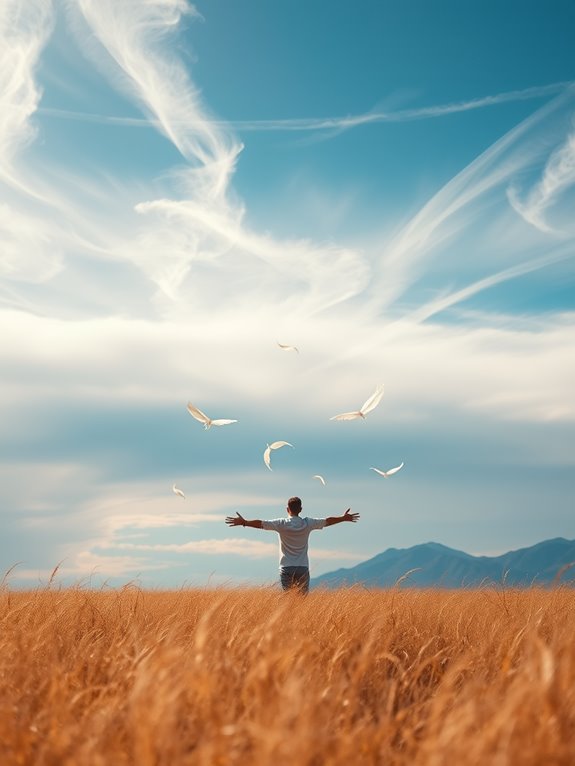
Air symbolizes freedom, shaping how you express thoughts and emotions.
It's not just about breath; it's the essential link between your mind and communication. The element of air is also crucial for discovering unique products, as it influences creativity and innovation in design.
Through various cultural practices, you can see how air influences the way people connect and share ideas. Regular practices of mindfulness and acupressure mats can further enhance clarity and focus, bridging the gap between thought and expression. Incorporating essential oil blends like those used in aromatherapy inhalers can enhance clarity and focus, further bridging the gap between thought and expression. Additionally, the use of acupressure mats can promote muscle relaxation and improved blood circulation, which supports overall cognitive function.
Air as Symbol of Freedom
How does the element of air encapsulate our deepest desires for freedom? Air represents boundless possibilities, allowing thoughts to soar and ideas to flow.
When you think of freedom, you often envision open skies and breezes that carry your dreams. Air embodies communication, enabling you to express yourself without restraint. Ankle resistance bands can enhance physical freedom, empowering you to explore various exercises that strengthen your body. Biofeedback devices, which track physiological responses, can also support your journey towards greater mental clarity and emotional well-being. Mindfulness journals, which promote emotional growth, can serve as valuable tools in this journey.
It's in the whispers of the wind and the songs of birds—reminders that your voice can reach far and wide. Cultures have long celebrated air as a symbol of liberation, where the act of breathing becomes an affirmation of existence. Engaging in guided meditation practices can further amplify this connection to personal freedom.
Embracing air encourages you to break free from limitations, fostering a sense of connection with the world around you. In this sense, air truly embodies the essence of freedom. Mindfulness practices, such as breathing exercises, can further enhance this sense of freedom and connection to the present moment.
Breath and Mind Connection
The act of breathing serves as a powerful link between your mind and the outside world, shaping how you communicate and think. Each breath you take influences your mental clarity and emotional state.
When you breathe deeply, you calm your nervous system, enhancing focus and fostering creativity. This connection between breath and thought allows you to articulate your ideas more clearly and engage in meaningful conversations. Regular practice of guided imagery techniques can further deepen this connection, enhancing relaxation and mental clarity. The practice of mindfulness can also improve your overall health monitoring capabilities, which is vital for maintaining a balanced lifestyle. Additionally, maintaining a comfortable environment can reduce distractions, allowing for more effective communication. Furthermore, understanding the importance of security measures in telehealth can enhance your peace of mind, knowing that your personal information is protected during online consultations.
Conversely, shallow breathing can lead to anxiety and muddled thoughts, impacting how you express yourself. By being mindful of your breath, you can harness this connection, promoting a balanced mindset that enhances your ability to connect with others.
Ultimately, understanding this relationship empowers you to communicate more effectively and authentically. Additionally, being aware of ergonomic comfort can further enhance your overall communication experience by ensuring you are physically comfortable while engaging in conversations.
Communication Through Cultural Practices
While exploring various cultural practices, you'll find that the concept of air plays an essential role in shaping communication and thought. In many cultures, air symbolizes freedom of expression; it's the medium through which ideas flow and relationships deepen.
Think about how breath connects speech—each word carries emotion, intention, and meaning. In some traditions, rituals emphasize the importance of breath, reminding you to be present in conversations. For example, engaging in deep breathing before speaking can enhance clarity and connection, leading to improved communication skills that foster more meaningful exchanges. Incorporating guided meditation journals can also support emotional balance, allowing for deeper reflection during conversations. Journals like A Year of Mindfulness encourage daily mindfulness practice, which can further enhance your ability to communicate effectively. Additionally, the use of mindfulness card decks can provide practical tools for enhancing daily mindfulness practices that help improve focus and emotional awareness during interactions.
Additionally, the whispering wind in storytelling reflects shared wisdom, bridging generations. By recognizing air's influence, you can appreciate how communication transcends mere words, fostering deeper connections and mutual understanding across diverse cultures. Embrace this elemental force in your interactions. Moreover, practicing mindful breathing can enhance your communication skills by promoting emotional regulation and clarity.
Earth: Foundation of Community and Stability
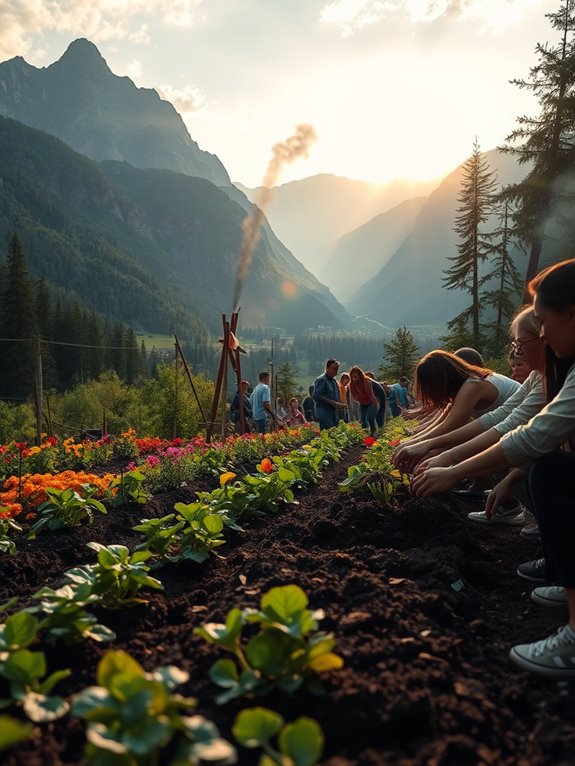
When you think about Earth, it's hard not to see its role as a symbol of community and stability. From rituals that honor the land to the importance of sustainable practices, Earth shapes our connections and responsibilities. Additionally, the importance of clarity in understanding our relationship with the environment fosters a sense of responsibility toward preserving it. This is why many cultures incorporate eco-friendly products into their traditions, emphasizing the need to nurture and respect the Earth. For instance, using BPA-free materials in everyday items reflects a commitment to environmental health. Moreover, the use of sustainable materials in various products highlights the growing trend of eco-conscious living. Incorporating essential nutrients from nature into our diets also plays a crucial role in fostering overall wellness and sustainability. Let's explore how these elements come together to create a foundation for our lives and cultures.
Cultural Symbolism of Earth
As you explore various cultures, you'll find that the earth often symbolizes a foundation of community and stability. This element represents not just the physical ground beneath your feet but also the connections that bind people together.
In many societies, the land is seen as a source of nourishment, security, and identity. It's where families gather and communities thrive, shaping traditions and fostering relationships. The earth's bounty encourages cooperation, as people rely on its resources for survival. This interdependence reflects the importance of sustainable practices that ensure the land can continue to support future generations. Additionally, many cultures create unique products for every passion that celebrate their connection to the earth and its natural resources. Unique products for everyday needs can often be found that embody the spirit of local craftsmanship and sustainable living. Furthermore, these cultures often develop eco-friendly products that enhance their daily lives while respecting the environment.
In addition, it embodies resilience; just as the soil can nurture life, communities can grow stronger through shared experiences. By honoring the earth, cultures reinforce their bonds and create a sense of belonging that transcends generations. Moreover, the significance of unique products for your lifestyle reflects the diverse ways in which cultures celebrate their relationship with the earth.
Earth in Ritual Practices
In many cultures, the earth plays a central role in ritual practices that celebrate community and stability. You might find yourself participating in ceremonies where soil, stones, or plants symbolize connection to ancestors and the land.
These rituals often involve offerings, such as seeds or flowers, affirming gratitude for the earth's gifts. You'll notice how communities gather to perform these rites, fostering bonds and shared identities.
As you engage in these practices, you'll experience a sense of belonging, grounded in the earth beneath your feet. From harvest festivals to fertility rites, the earth serves as a powerful reminder of life's cycles, reinforcing the importance of nurturing relationships within your community and honoring the stability that the earth provides.
Sustainability and Earth Stewardship
While many cultures celebrate the earth's role in community rituals, the concept of sustainability and earth stewardship takes this connection further by emphasizing our responsibility to protect and nurture the land.
You can engage in practices that strengthen this bond and promote a healthier planet. Consider these four impactful actions:
- Reduce waste: Minimize single-use plastics and recycle whenever possible.
- Support local agriculture: Choose locally sourced food to reduce carbon footprints and bolster community economies.
- Conserve water: Implement simple changes like fixing leaks and using water-efficient fixtures.
- Plant trees: Participate in reforestation efforts to enhance biodiversity and improve air quality.
Ancient Rituals and Elemental Worship
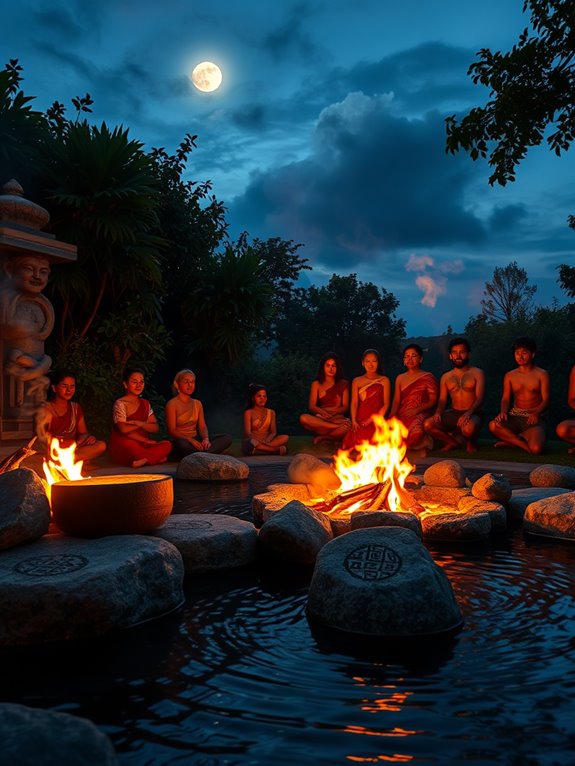
Throughout ancient cultures, rituals centered around elemental worship played an important role in maintaining harmony within communities. You'd witness ceremonies dedicated to fire, water, air, and earth, each representing significant aspects of life.
People would gather to honor these elements, believing that appeasing them would guarantee bountiful harvests, favorable weather, and protection from disasters. Offerings, chants, and dances were common, creating a deep connection between the community and the natural world.
You might find tribal leaders invoking the spirits of the elements, seeking guidance and blessings. This reverence fostered a sense of unity, as everyone participated in these sacred acts, reinforcing shared beliefs and values.
Ultimately, these rituals helped sustain balance and respect for the environment, essential for survival and prosperity.
Modern Interpretations of Elemental Forces
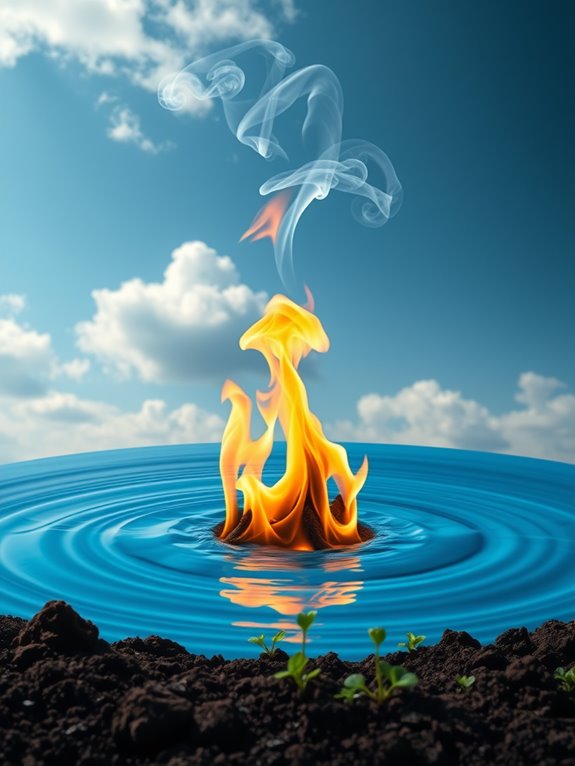
As contemporary society evolves, many people have reinterpreted the elemental forces, integrating them into their daily lives and spiritual practices.
You might find that these elements shape your understanding of balance and harmony.
Consider how you could incorporate them:
- Fire: Use it in meditation to ignite passion and transformation.
- Water: Incorporate rituals involving water for emotional cleansing and flow.
- Air: Practice breathwork to connect with the element of air, fostering clarity and inspiration.
- Earth: Engage in grounding techniques, like walking barefoot, to cultivate stability and connection to nature.
Healing Practices Involving the Elements
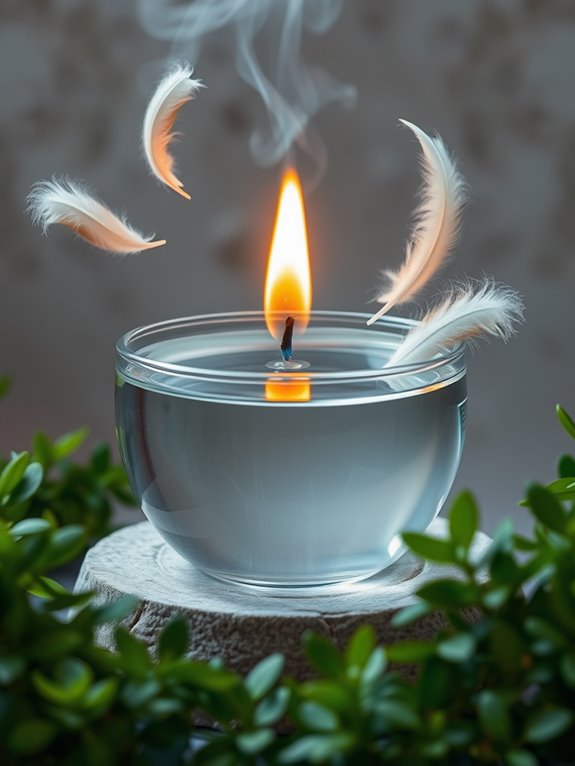
Healing practices involving the elements can profoundly transform your well-being, tapping into the natural energies that surround us. Each element offers unique therapeutic benefits, enhancing your physical and emotional health.
| Element | Healing Practice | Benefits |
|---|---|---|
| Fire | Breathwork | Increases energy |
| Water | Hydrotherapy | Promotes relaxation |
| Air | Pranayama | Enhances mental clarity |
| Earth | Grounding Techniques | Reduces anxiety |
| Spirit | Meditation | Fosters inner peace |
Environmental Stewardship and Elemental Balance

While you mightn't realize it, your everyday choices can greatly impact the balance of the elements in our environment.
Practicing environmental stewardship means recognizing your role in protecting our planet's resources. Here are some ways you can contribute:
- Reduce Waste: Opt for reusable items instead of single-use plastics to minimize trash and pollution.
- Conserve Water: Shorten your showers and fix leaks to help preserve this essential resource.
- Use Energy Wisely: Switch off lights and unplug devices when not in use to reduce energy consumption.
- Plant Trees: Engage in local reforestation projects to enhance air quality and combat climate change.
The Interconnectedness of the Elements in Cultural Beliefs

Understanding environmental stewardship not only highlights your role in protecting resources but also reveals how cultural beliefs intertwine with the elements. Each element—fire, water, air, and earth—plays a crucial role in various cultures, showcasing their interconnectedness. You'll find that many traditions emphasize harmony among these elements, reflecting a holistic view of existence.
| Element | Symbolism | Cultural Significance |
|---|---|---|
| Fire | Transformation | Energy and passion |
| Water | Purity | Life and nourishment |
| Air | Freedom | Spirit and communication |
| Earth | Stability | Fertility and foundation |
Frequently Asked Questions
How Do Different Cultures Prioritize Elements in Their Rituals?
You'll find that different cultures emphasize elements based on their beliefs and environment. Some prioritize water for purification, while others honor fire for transformation, shaping unique rituals that reflect their values and connection to nature.
What Scientific Studies Support Elemental Symbolism in Cultures?
You'll find various scientific studies exploring how symbolism influences behavior and decision-making. Research in psychology and anthropology highlights how cultural beliefs shape perceptions, linking emotions and elements, ultimately affecting community rituals and individual identities.
How Do Elements Influence Modern Art and Literature?
Imagine a painter using vibrant reds to evoke passion and energy. In modern art and literature, elements shape emotions, themes, and narratives, guiding your interpretation and connection to the work, making it resonate deeply.
Are Elements Considered Gendered in Any Cultures?
In many cultures, elements are indeed gendered. You might find fire associated with masculinity, while water often symbolizes femininity. These associations influence art, literature, and societal roles, shaping perspectives on gender throughout history.
How Can I Incorporate Elemental Balance Into My Daily Life?
You can incorporate balance by recognizing your needs. Spend time outdoors, practice mindfulness, embrace creativity, and connect with others. Regularly assess your emotions and adjust your routine to cultivate harmony in your daily life.
Conclusion
In exploring how cultures harness the elements for balance, you discover that fire, water, air, and earth are more than mere symbols; they're essential forces shaping our lives. As the saying goes, "You can't have one without the other." Embracing this interconnectedness not only deepens your understanding of diverse traditions but also encourages you to reflect on your own relationship with these elements. By finding harmony within them, you pave the way for a more balanced existence.