Indigenous cultures practice eco-wellness by connecting deeply with the land, which shapes their identity and traditions. They utilize Traditional Ecological Knowledge to promote sustainable practices that nurture both individual and community health. Through rituals, communal gatherings, and healing practices, they foster a sense of belonging and resilience. Their focus on stewardship emphasizes the importance of nature and community support. Discover how these wisdoms can influence modern approaches to well-being and sustainability.
Nomad Highlights
- Indigenous cultures integrate Traditional Ecological Knowledge (TEK) to promote sustainable practices and environmental stewardship in their communities.
- Seasonal ceremonies, storytelling, and nature walks enhance well-being and foster a deep connection to the land.
- Herbal remedies and communal gatherings emphasize collective healing and support networks for mental health.
- Sustainable resource management principles guide interactions with nature, ensuring long-term ecological balance and biodiversity.
- Emphasis on cultural traditions and shared customs strengthens community bonds and promotes resilience in eco-wellness practices.
The Connection Between Land and Identity
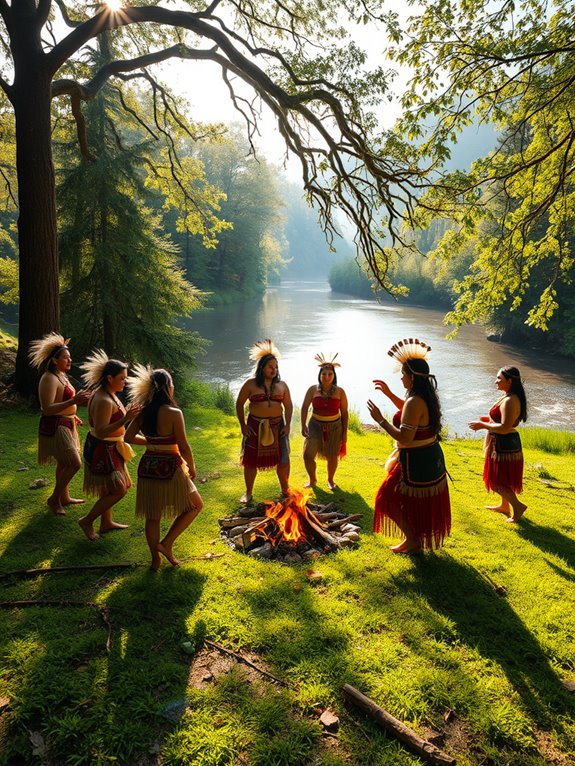
When you explore Indigenous cultures, you'll often find that land isn't just a backdrop for life; it's an essential part of identity. The connection to the land shapes traditions, languages, and stories, grounding communities in their history. You'll notice how specific landscapes influence spiritual beliefs and practices, reinforcing a sense of belonging. For many Indigenous peoples, land embodies their ancestors' wisdom and the intergenerational knowledge passed down through time. This relationship fosters a deep respect for nature, emphasizing stress relief and sustainability. By understanding how land defines identity, you can appreciate the rich tapestry of cultural practices that emerge from it. Additionally, many Indigenous communities utilize herbal teas as part of their wellness practices, showcasing their connection to the land's natural resources. The use of natural products in these communities further highlights their reliance on the environment for holistic health. Many Indigenous peoples also embrace eco-friendly practices, recognizing the importance of sustainable living in harmony with nature. Engaging with these perspectives allows you to recognize the intricate bond between people and the environment in Indigenous cultures. Furthermore, this relationship encourages the use of unique products that enhance wellness and celebrate traditional knowledge.
Traditional Ecological Knowledge and Its Applications
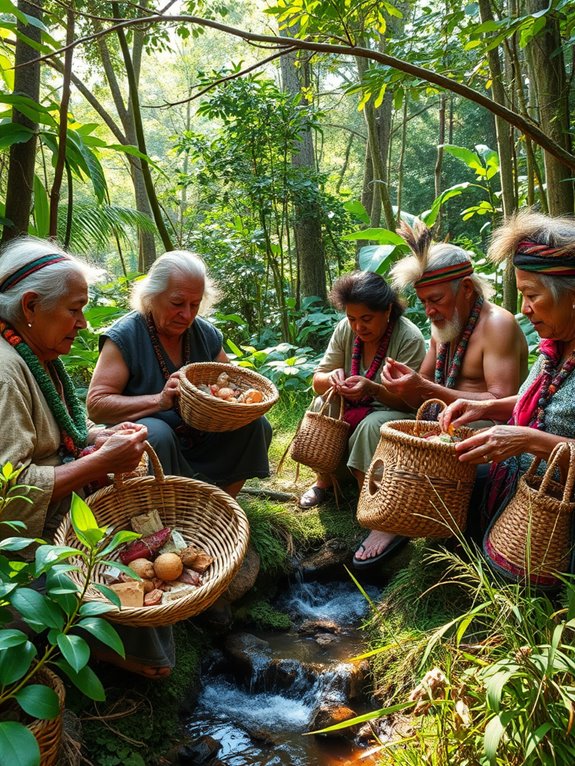
Traditional Ecological Knowledge (TEK) offers invaluable insights into sustainable practices and environmental stewardship that have been honed over generations. By tapping into TEK, you can learn how Indigenous peoples maintain harmony with nature through careful observation and deep understanding of local ecosystems. This knowledge emphasizes the importance of biodiversity, the interconnections of species, and the cyclical nature of life. You can apply TEK in various ways, such as practicing crop rotation, using native plants for medicine, or engaging in communal land management. Additionally, understanding unique products for every hobby can enhance your connection to nature through sustainable crafting and gardening practices. Many of these practices align with the principles of resistance bands that promote progressive strength building and adaptability in fitness routines. Furthermore, exploring sustainable crafting techniques can lead to innovative ways of using local materials while respecting Indigenous practices. Recognizing the role of community-based conservation can also guide individuals in fostering a deeper appreciation for nature and the significance of collaborative efforts in preserving ecosystems. Incorporating blue light blocking glasses into your daily routine can also help reduce eye strain when spending time outdoors, enhancing your overall wellness experience.
Rituals and Practices That Promote Well-Being
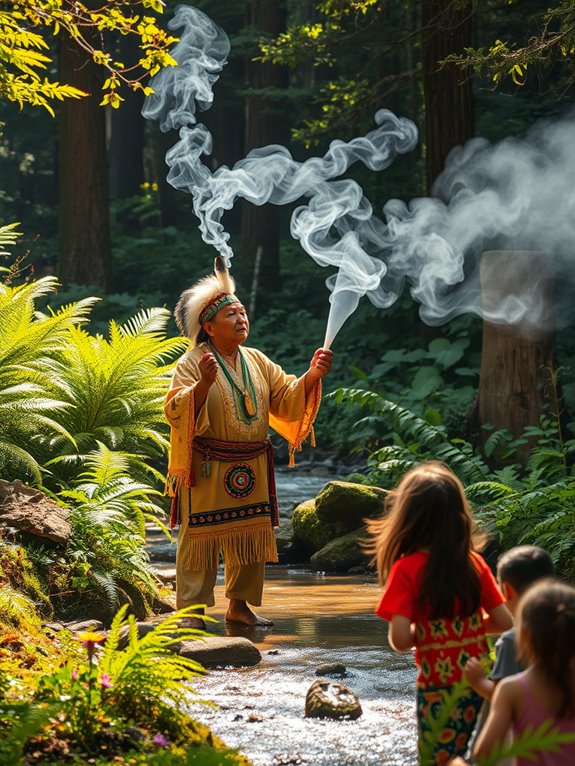
Indigenous cultures often incorporate rituals and practices that enhance well-being, reflecting their deep connection to the land and community. You might find that these practices include seasonal ceremonies, storytelling, and nature walks, all designed to foster a sense of belonging and harmony. Engaging in these rituals, you'll likely experience a profound connection to nature and your ancestors, reinforcing your identity and cultural heritage. Traditional healing practices, such as herbal remedies and sweat lodges, can also promote physical and spiritual wellness, often utilizing essential nutrients to support overall health. Many indigenous cultures recognize the benefits of herbal teas for their soothing properties, which can further enhance relaxation and mental clarity. Additionally, many indigenous practices include the use of essential oils for their calming properties, which can enhance relaxation and mental clarity. By participating in communal gatherings, you build relationships and support networks that nurture mental health. Furthermore, engaging with unique products related to these practices can deepen your understanding and appreciation of the culture. Additionally, practices like aromatherapy inhalers can offer natural alternatives for stress relief and relaxation. Ultimately, these rituals encourage mindfulness, respect for the environment, and a holistic approach to well-being, reminding you of the importance of balance in life.
Community-Centric Approaches to Health
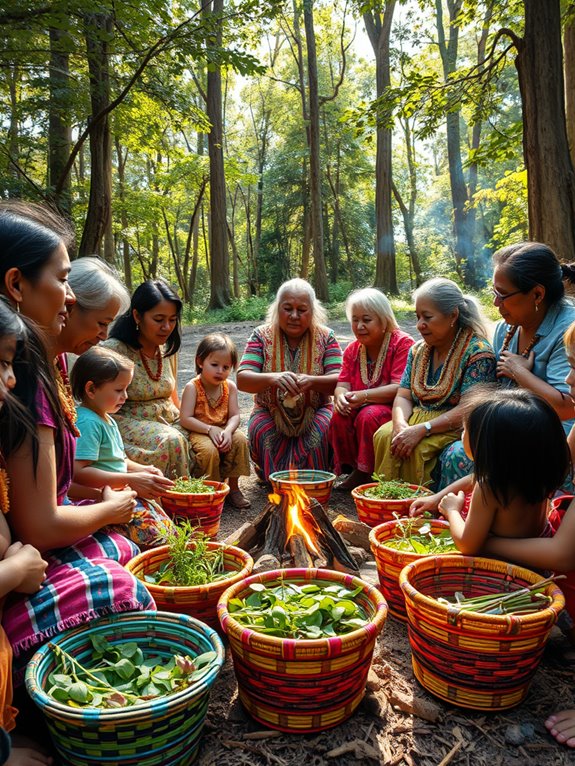
In Indigenous cultures, health often revolves around community-centric approaches that emphasize collective healing practices. You'll find that sharing traditional knowledge plays an essential role in fostering well-being among community members. Additionally, unique products that promote sustainable living are often created and shared within these communities, enhancing their eco-wellness practices. These practices often include holistic health methods that integrate physical, emotional, and spiritual well-being, further supporting the community's commitment to eco-wellness. This emphasis on community connection and sustainable practices ensures that wellness is not just an individual pursuit but a shared journey. Furthermore, many Indigenous communities utilize local resources to create remedies and products that reflect their deep connection to the environment. This reliance on natural materials from their surroundings enhances the authenticity and sustainability of their wellness practices.
Collective Healing Practices
While many health systems focus on individual treatment, collective healing practices in various cultures emphasize the power of community in promoting wellness. These practices foster connections among individuals, creating a support system that enhances emotional and physical health. Gathering together for rituals, ceremonies, or group discussions helps to heal not just individuals but also the community as a whole. Additionally, the integration of unique products for every passion can enhance these communal experiences by providing tools and resources that support collective wellness. Engaging in these practices often includes cultural rituals that deepen the bond among community members and promote shared healing. The use of traditional healing tools can further enrich these experiences, allowing participants to connect with their heritage while promoting well-being. Furthermore, many indigenous cultures incorporate natural remedies into their practices, which are often derived from indigenous plants that support holistic health. This holistic approach aligns with practices like using acupressure mats to promote relaxation and well-being, reflecting a commitment to both community and individual health.
| Collective Healing Practices | Benefits |
|---|---|
| Circle gatherings | Builds trust and unity |
| Healing ceremonies | Strengthens cultural identity |
| Community support groups | Provides emotional resilience |
Traditional Knowledge Sharing
Traditional knowledge sharing plays an essential role in community-centric approaches to health, as it fosters a deep connection between individuals and their cultural heritage. When you engage in these practices, you're not just learning; you're participating in a living tradition that emphasizes the importance of community well-being. Elders often share wisdom about local plants, healing techniques, and spiritual practices that have been passed down through generations. Additionally, exploring unique products can offer insights into sustainable practices that align with these traditional teachings. This exchange of knowledge often includes community-driven initiatives that highlight the value of collective responsibility toward health and the environment. Furthermore, embracing cultural heritage can enhance your understanding of the interconnectedness between wellness and nature. For instance, many Indigenous cultures incorporate natural remedies that utilize local resources, promoting both health and environmental stewardship. By listening and sharing, you help strengthen community bonds and guarantee that valuable knowledge remains alive. This collaborative approach empowers you to take charge of your health while respecting the environment. Additionally, eco-friendly products can enhance your journey towards wellness by connecting you with sustainable practices that support both your health and the planet. Ultimately, traditional knowledge sharing cultivates a holistic understanding of wellness that resonates deeply within Indigenous cultures, enriching your own life and that of your community.
Sustainable Resource Management and Stewardship
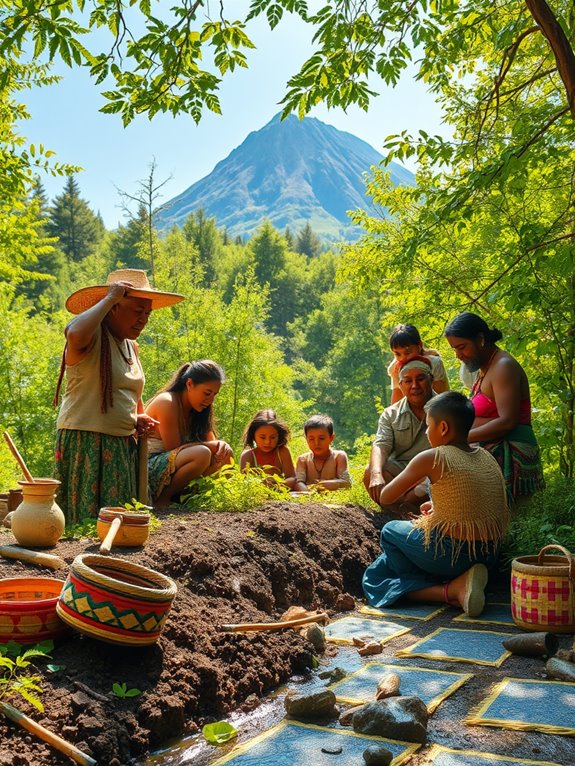
Indigenous cultures have long embraced sustainable resource management and stewardship as a core principle, recognizing that their well-being is intrinsically linked to the health of their environment. You'll find that these communities prioritize practices that maintain balance, ensuring resources are used wisely and replenished naturally. They often utilize traditional ecological knowledge to guide their interactions with nature, fostering a deep respect for the land and its offerings. By cultivating crops in harmony with local ecosystems and practicing rotational hunting, they safeguard biodiversity. Additionally, many Indigenous cultures promote sustainable practices that contribute to the health of both people and the planet. This includes the use of traditional ecological knowledge to enhance their understanding of local ecosystems and resource availability. Regularly incorporating non-invasive methods for pain relief and wellness, such as acupressure, reflects their holistic approach to health. The principles of emotional intelligence are often woven into their communal practices, emphasizing the importance of empathy and social skills in maintaining harmonious relationships within their communities. Ultimately, their stewardship serves as a crucial reminder of the interconnectedness of life and the importance of nurturing our natural world. Engaging in sustainable product sourcing not only supports their local economies but also reinforces their commitment to preserving the environment for future generations.
Lessons for Modern Society From Indigenous Wisdom
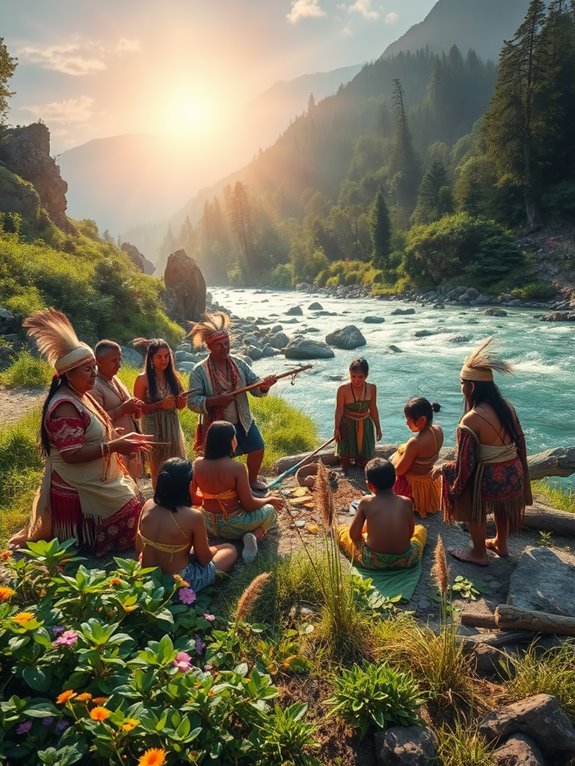
You can find valuable lessons in Indigenous wisdom that modern society often overlooks.
Their deep connection to nature, commitment to sustainable resource management, and emphasis on community-centric practices offer a blueprint for a more harmonious way of living.
Connection to Nature
While many modern societies often overlook the deep bonds between people and nature, traditional wisdom offers valuable lessons on this essential connection.
Indigenous cultures understand that their well-being is intertwined with the health of the land. They engage in rituals, storytelling, and practices that honor the environment, fostering a sense of stewardship.
By immersing yourself in nature, you can cultivate awareness and appreciation for your surroundings. This connection not only nurtures your spirit but also enhances your physical health.
You'll find that spending time outdoors reduces stress and promotes mental clarity. Embracing this wisdom encourages you to live harmoniously with nature, reminding you that your well-being is linked to the earth's vitality.
Rediscovering this relationship can lead to a more fulfilling life.
Sustainable Resource Management
The deep connection to nature practiced by many Indigenous cultures offers powerful insights into sustainable resource management. You can learn from their approach of viewing resources as part of a larger ecosystem. Instead of exploiting resources, they focus on balance and reciprocity.
For example, they employ traditional farming methods that enhance soil fertility and biodiversity, ensuring long-term productivity. You might also notice how they prioritize the needs of future generations, teaching you the significance of stewardship.
Community-Centric Practices
Recognizing the importance of community, Indigenous cultures emphasize interconnectedness and collective well-being, offering valuable lessons for modern society.
By fostering a sense of belonging and shared responsibility, you can create a more sustainable and harmonious environment. Here are some key practices to take into account:
- Collective decision-making: Involve everyone in community discussions to guarantee diverse perspectives.
- Shared resources: Promote communal ownership and usage of land, water, and materials.
- Cultural traditions: Celebrate and preserve local customs that strengthen community bonds and identity.
- Mutual support: Encourage a system where individuals help one another, fostering resilience and trust.
Frequently Asked Questions
How Do Indigenous Cultures Define Eco-Wellness?
You'll find that Indigenous cultures define eco-wellness as a holistic connection between people, land, and spirit. It emphasizes balance, respect for nature, and sustainable practices, fostering harmony within communities and the environment.
What Are Some Examples of Eco-Wellness Rituals?
You might find eco-wellness rituals like seasonal ceremonies, planting trees, or community gatherings to share food and stories. These activities strengthen connections to nature and promote well-being, enriching both individual lives and the community as a whole.
How Do Indigenous Communities Address Mental Health?
Indigenous communities weave mental health into their fabric, using storytelling and community gatherings. They nurture connections like roots of a tree, creating support networks that foster resilience and healing, ensuring no one stands alone in their journey.
Can Eco-Wellness Practices Be Adapted for Urban Living?
Yes, you can adapt eco-wellness practices for urban living by incorporating green spaces, engaging in community gardening, and fostering connections with nature. Small daily practices can enhance your well-being and create a healthier urban environment.
What Role Do Animals Play in Indigenous Eco-Wellness?
Animals aren't just companions; they're essential threads in the fabric of life. You'll see how they symbolize balance, teach respect, and embody the spirit of the land, guiding you toward deeper eco-wellness connections.
Conclusion
In embracing eco-wellness, indigenous cultures remind us that our health is deeply intertwined with the land. Did you know that over 80% of the world's biodiversity is found in areas managed by indigenous peoples? This statistic highlights the profound impact their sustainable practices have on both the environment and community well-being. By learning from their wisdom, we can foster a healthier planet and a more connected sense of identity, ultimately enriching our lives and the world around us.